When your HVAC system starts having problems, one of the first questions you may ask is whether it makes more sense to repair it or replace it completely.
For Arizona homeowners, this decision is especially important. Air conditioning systems work extremely hard in the desert climate, and a failing system can quickly become more than an inconvenience during peak summer heat.
This guide breaks down how to decide whether to repair or replace your HVAC system based on age, repair costs, efficiency, comfort, and long-term value.
Start With the Age of Your HVAC System
System age is one of the biggest factors in the repair-or-replace decision.
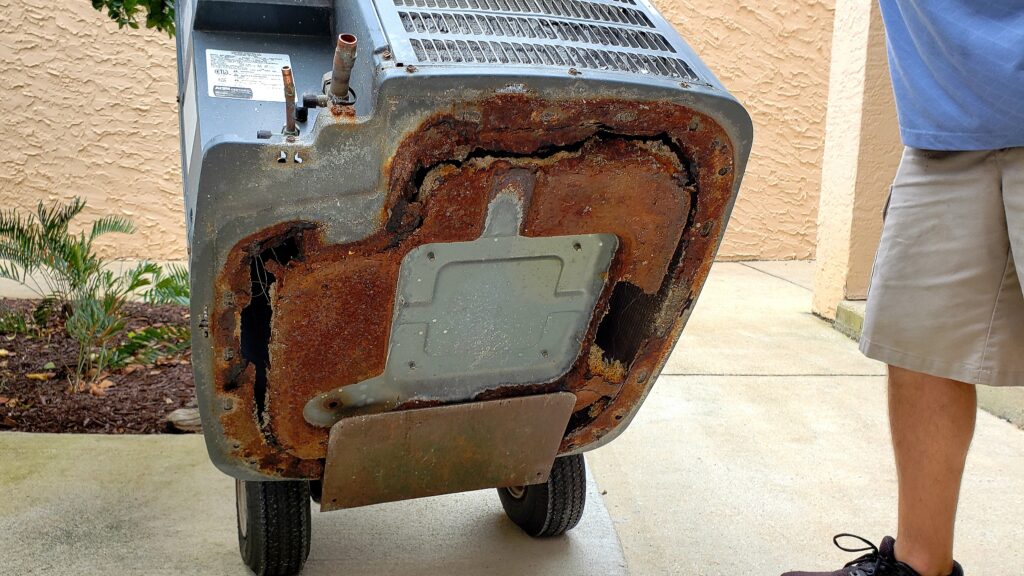
In Arizona, many HVAC systems last around 10 to 15 years with proper maintenance. Some may last longer, but extreme heat often shortens system lifespan compared to milder climates.
You may want to consider replacement if your system is:
- More than 10 years old
- Frequently breaking down
- Struggling during summer
- Losing efficiency
- Using outdated refrigerant
If your system is newer and the repair is minor, fixing it may still make sense.
Compare Repair Costs to Replacement Value
A common rule of thumb is to consider replacement when a repair costs a significant percentage of the price of a new system.
Replacement may make more sense if:
- Repairs are becoming frequent
- One major component has failed
- The repair cost is very high
- The system is already near the end of its lifespan
- Monthly energy bills are rising
A small repair on a newer unit is usually worthwhile. A major repair on an older system may only delay the inevitable.
Consider Your Energy Bills
Older HVAC systems often lose efficiency over time. In Arizona, where cooling costs can be high during long summers, an inefficient system can become expensive to operate.
Signs of declining efficiency include:
- Higher electric bills
- Longer cooling cycles
- Uneven temperatures
- Weak airflow
- Hot spots in certain rooms
Upgrading to a newer high-efficiency system may help lower monthly operating costs and improve comfort.
Look at Comfort and Performance
Your HVAC system should keep your home consistently comfortable, even during Arizona heat.
Replacement may be worth considering if your system:
- Cannot keep up on hot days
- Runs constantly
- Produces uneven cooling
- Makes loud noises
- Requires frequent thermostat adjustments
- Leaves certain rooms uncomfortable
Homeowners experiencing these issues can explore professional air conditioning services to determine whether repair or replacement is the better option.
Factor in Arizona’s Climate
Arizona heat puts heavy strain on HVAC systems. A system that might last longer in a mild climate may wear out faster in Phoenix and surrounding areas.
Because AC reliability is so important, homeowners should avoid waiting until total failure before considering replacement.
Replacing an aging system before peak summer can help prevent:
- Emergency breakdowns
- Higher repair costs
- Long wait times during busy seasons
- Uncomfortable indoor temperatures
When HVAC Repair Makes Sense
Repair may be the better option if:
- The system is under 10 years old
- The problem is minor
- The unit has been well maintained
- Energy bills are still reasonable
- The system cools the home effectively
- Repair costs are manageable
Examples of repairable issues may include:
- Capacitor failure
- Thermostat problems
- Minor electrical repairs
- Clogged drain lines
- Small refrigerant issues
When HVAC Replacement Makes Sense
Replacement may be the smarter long-term choice if:
- The system is over 10–15 years old
- Repairs are frequent
- Energy bills keep rising
- The unit struggles in summer
- Major components have failed
- Comfort problems are ongoing
A new system can improve:
- Cooling performance
- Energy efficiency
- Indoor comfort
- Reliability
- Home value
Maintenance Can Extend System Life
Preventive maintenance is one of the best ways to delay replacement and reduce repair costs.
Routine AC maintenance helps:
- Improve efficiency
- Catch small issues early
- Reduce system strain
- Extend equipment lifespan
- Prevent emergency breakdowns
Get Professional Guidance Before Deciding
The repair-or-replace decision should be based on your system’s condition, not guesswork.
An experienced HVAC technician can inspect:
- System age
- Component condition
- Refrigerant levels
- Electrical connections
- Airflow
- Ductwork
- Overall performance
The team at Worlock Air Conditioning & Heating can help Arizona homeowners make informed decisions about HVAC repair, replacement, and long-term comfort.
FAQ: HVAC Repair or Replacement
Should I repair or replace my HVAC system?
If your system is newer and the repair is minor, repair may make sense. If it is older, inefficient, or frequently breaking down, replacement may be better.
How long do HVAC systems last in Arizona?
Most systems last around 10 to 15 years with proper maintenance.
Is it worth repairing an old AC unit?
It depends on the repair cost, system age, and current performance. Major repairs on older systems may not be cost-effective.
Will a new HVAC system lower my energy bills?
A properly installed high-efficiency system may reduce energy use and improve comfort.
When is the best time to replace an HVAC system in Arizona?
Spring or fall can be ideal because demand is often lower than during peak summer.