Air conditioners work hard almost everywhere during summer. Arizona is different.
Long cooling seasons, prolonged triple-digit temperatures, intense sun exposure, dust, monsoon conditions, and hours of continuous operation can expose weaknesses in an HVAC system that might remain unnoticed in a milder climate. A small airflow problem, weakening electrical component, dirty coil, or aging motor can become much more noticeable when the air conditioner is being asked to cool a home through the hottest part of an Arizona summer.
That does not mean AC breakdowns are inevitable. Understanding why air conditioners struggle in extreme Arizona heat, recognizing warning signs early, and keeping up with preventive maintenance can reduce the likelihood that a developing problem turns into a complete cooling failure.
Worlock Air Conditioning & Heating has served Arizona homeowners since 1987. This guide explains the major stresses Arizona places on residential cooling equipment, the AC problems homeowners should watch for, and when it is time to call for professional AC repair.
Why Is Arizona Heat So Hard on Air Conditioners?
An air conditioner transfers heat from inside your home to the outdoors.
As outdoor temperatures rise, getting rid of that heat becomes more demanding. At the same time, the home continues gaining heat through the roof, windows, walls, doors, air leakage, and other sources.
During extended Arizona heat, the AC may need to operate for long periods to keep up with that demand.
Several conditions make the challenge greater.
Long Cooling Seasons
Arizona homeowners can depend heavily on air conditioning for much more of the year than homeowners in many other parts of the country.
More operating hours mean more opportunities for motors, electrical components, bearings, capacitors, and other parts to experience wear.
Extreme Outdoor Temperatures
The hotter it becomes outside, the more challenging the cooling process can become.
An AC that appears perfectly capable during moderate spring weather may begin showing performance problems once outdoor temperatures climb dramatically.
Dust and Airborne Debris
Arizona’s dry environment can introduce substantial dust and debris around HVAC equipment.
Filters, outdoor coils, and other components need appropriate attention to maintain airflow and heat transfer.
Monsoon Conditions
Summer also brings wind, blowing dust, debris, thunderstorms, and power interruptions.
Homeowners can prepare specifically for these conditions by following our Arizona monsoon AC preparation guide.
What AC Components Are Most Likely to Struggle During Extreme Heat?
High temperatures don’t necessarily cause a single predictable component to fail.
Instead, prolonged cooling demand can expose existing weaknesses throughout the system.
Capacitors
Capacitors help certain AC motors start and operate.
A weakening capacitor may become increasingly problematic under demanding operating conditions. If one fails, the associated motor or compressor may have difficulty starting or operating correctly.
Symptoms can include:
- AC not starting
- Outdoor unit problems
- Humming
- Intermittent operation
- Cooling failure
Capacitors involve electrical equipment and should be tested and replaced by a qualified HVAC technician.
Condenser Fan Motors
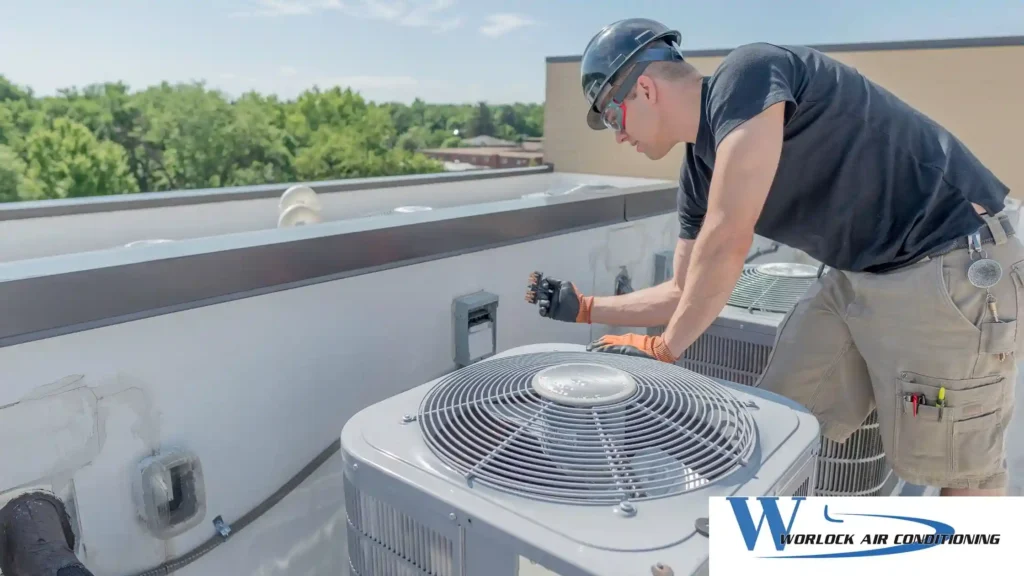
The outdoor fan helps move air through the condenser coil so the system can release heat.
If the fan motor fails or cannot operate correctly, the outdoor unit may be unable to perform its job effectively.
Unusual noises, a fan that does not start, or an outdoor unit behaving differently than normal deserve professional attention.
Blower Motors
The indoor blower moves conditioned air through the duct system and into your home.
Blower problems can produce:
- Weak airflow
- No airflow
- Unusual noises
- Poor cooling
- System overheating or shutdowns
If you can hear your system operating but little or no air is reaching the rooms, review our guide to an AC running with no air coming from the vents.
Compressors
The compressor is one of the most important components in the refrigeration cycle.
Compressor problems can be serious and may require homeowners to compare the cost and practicality of repair against the age and overall condition of the AC system.
A compressor should not be assumed to have failed simply because an AC isn’t cooling. Several less severe problems can create similar symptoms, which is why professional diagnosis matters.
Electrical Components
Air conditioners depend on contactors, wiring, connections, controls, motors, and other electrical components.
Long operating periods combined with Arizona heat can expose electrical weaknesses.
Repeated breaker trips, electrical odors, intermittent operation, buzzing, or an AC that will not start should be professionally evaluated rather than repeatedly reset.
Why Does My AC Run Constantly During Arizona Summer?
Longer AC cycles can be normal during extremely hot weather.
Your air conditioner may simply need more operating time to offset the amount of heat entering the home.
However, an AC that runs almost continuously and still cannot maintain reasonable indoor comfort may have another issue.
Possible contributors include:
- Dirty filters
- Restricted airflow
- Dirty coils
- Refrigerant-system problems
- Duct leakage
- Aging equipment
- Incorrect system sizing
- Mechanical problems
- Significant heat gain through the home
The key distinction is performance.
Long operation during an extremely hot afternoon isn’t automatically evidence of a broken AC. Constant operation accompanied by worsening comfort, weak airflow, unusual noises, or other changes deserves a closer look.
Can a Dirty Air Filter Cause an AC to Fail in Hot Weather?
A severely restricted filter can create substantial airflow problems.
When airflow is reduced, the HVAC system may struggle to move enough conditioned air through the home. Restricted airflow can also contribute to other operating problems.
Arizona homeowners should inspect filters regularly because filter conditions can vary based on:
- Household occupancy
- Pets
- Dust
- Indoor air quality
- Filter type
- HVAC usage
- Home conditions
There isn’t one replacement schedule that is perfect for every household.
The better approach is to inspect the filter consistently and replace it when appropriate for your system and home.
How Does a Dirty Outdoor AC Unit Affect Cooling?
Your outdoor condenser needs airflow to release heat.
Leaves, vegetation, dirt, and debris around the unit can interfere with that process.
Homeowners can help by keeping the immediate area around accessible outdoor equipment reasonably clear.
However, avoid opening panels, spraying electrical components, bending coil fins, or attempting deep equipment cleaning without knowing the appropriate procedure.
Professional AC maintenance can address system conditions that go beyond basic homeowner upkeep.
Can Low Refrigerant Make an AC Struggle More During Extreme Heat?
Yes, refrigerant-system problems can affect cooling performance.
However, refrigerant is not something an air conditioner should routinely consume.
If a system is low, there may be a leak or another condition requiring diagnosis.
Possible symptoms associated with refrigerant-system problems can include:
- Reduced cooling
- Long run times
- Ice formation
- Warm or insufficiently cool air
- Higher energy use
These symptoms can also have other causes.
An HVAC technician should diagnose the system before refrigerant is assumed to be the problem.
Why Does My AC Blow Warm Air When It Gets Really Hot Outside?
Warm air from the vents can have several possible causes.
Depending on the system, possibilities can include:
- Thermostat or control issues
- Outdoor equipment failure
- Electrical problems
- Refrigerant-system conditions
- Compressor problems
- Airflow issues
- Other mechanical failures
The outdoor temperature itself can make cooling more demanding, but an AC consistently blowing genuinely warm air should not simply be dismissed as normal Arizona summer behavior.
If the system suddenly stops cooling, schedule an inspection before continuing to operate equipment that may have a mechanical problem.
Why Does My AC Keep Turning On and Off?
Frequent short cycles can indicate a problem, although cycle length varies depending on cooling demand and system conditions.
Possible contributors include:
- Thermostat issues
- Electrical problems
- Airflow restrictions
- Equipment sizing
- System controls
- Mechanical problems
Frequent starts and stops can add wear to components and may prevent the home from maintaining consistent comfort.
If cycling behavior has noticeably changed, have the system evaluated.
Can Arizona Dust Storms Damage an AC?
Dust storms and monsoon winds can create several HVAC concerns.
Blowing debris can collect around outdoor equipment, while airborne dust can increase the burden on filtration.
Storms may also be accompanied by electrical interruptions that affect HVAC equipment.
After significant monsoon activity, homeowners can visually check the area around outdoor equipment for obvious debris while avoiding electrical components or internal equipment.
Our Arizona monsoon HVAC guide provides a more complete storm-preparation checklist.
What Are the Warning Signs of an AC About to Fail?
Complete AC failures sometimes appear sudden, but homeowners may notice changes beforehand.
Pay attention to:
- Weak airflow
- Warm air
- Increasingly long run times
- Frequent cycling
- Unusual buzzing or humming
- Grinding or rattling
- Water where it normally isn’t present
- Unusual odors
- Difficulty reaching the thermostat setting
- Increasing repair frequency
- Changes in energy consumption
One symptom doesn’t automatically mean a major breakdown is coming.
A combination of symptoms, or a noticeable change from normal operation, is a better reason to schedule service.
How Can Arizona Homeowners Reduce the Risk of Summer AC Breakdowns?
No maintenance routine can guarantee that an air conditioner will never fail.
Homeowners can, however, reduce avoidable strain and identify developing problems earlier.
Replace Filters When Needed
Check the filter consistently during periods of heavy cooling use.
Keep Outdoor Equipment Clear
Maintain reasonable clearance around the outdoor unit so vegetation and debris do not unnecessarily restrict airflow.
Don’t Ignore Small Performance Changes
A new noise, weaker airflow, unusual cycling, or gradually declining cooling may be easier to address before the system stops working completely.
Schedule Preventive AC Maintenance
Professional maintenance provides an opportunity to evaluate system performance and identify certain developing issues before peak cooling demand.
Arizona homeowners can use our 12-month HVAC maintenance calendar to plan heating and cooling maintenance throughout the year.
Avoid Extreme Thermostat Changes
Setting the thermostat dramatically lower does not transform the AC into a more powerful cooling system.
Use a comfortable, reasonable setting and pay attention to whether the system can maintain it.
When Is an AC Problem an Emergency?
A cooling problem becomes more urgent when indoor temperatures are rising rapidly during extreme heat or when the situation involves vulnerable occupants.
Professional emergency AC repair may also be appropriate when the system experiences a sudden complete failure.
Potential electrical or safety concerns deserve additional caution.
Stop attempting DIY troubleshooting and seek appropriate professional help if you notice conditions such as:
- Smoke
- Burning electrical odors
- Sparking
- Repeated breaker trips
- Severe mechanical noises
- Another condition suggesting unsafe operation
Avoid opening electrical HVAC panels or working around energized components.
Should You Repair or Replace an AC That Struggles in Arizona Heat?
Poor performance during extreme heat does not automatically mean the air conditioner needs replacement.
Repair may remain the practical choice when:
- The system is otherwise reliable.
- The problem is isolated.
- The repair is reasonable.
- Cooling performance has generally been good.
Replacement deserves stronger consideration when:
- The AC is aging.
- Repairs are becoming frequent.
- Major components are failing.
- Cooling performance has substantially declined.
- The system struggles repeatedly despite appropriate repairs and maintenance.
- The cost of continued repairs is becoming difficult to justify.
If you’re reaching that point, Worlock Air’s AC replacement services can help you evaluate the next step.
Local AC Repair Across the Phoenix Valley
Arizona heat affects every Valley community, but homeowners should still have a clear path to HVAC information and service specific to where they live.
Worlock Air provides local AC repair throughout our primary service areas:
- AC Repair in Peoria
- AC Repair in Sun City
- AC Repair in Sun City West
- AC Repair in Glendale
- AC Repair in Surprise
- AC Repair in Youngtown
- AC Repair in El Mirage
- AC Repair in Litchfield Park
- AC Repair in Phoenix
- AC Repair in Scottsdale
These local resources connect homeowners with AC repair information and service relevant to their community while this guide serves as the broader Arizona resource for understanding extreme-heat HVAC problems.
Why Choose Worlock Air for Arizona AC Service?
Worlock Air Conditioning & Heating has served Arizona homeowners since 1987 from our home base in Peoria.
Our team works with cooling systems throughout the Phoenix Valley and understands the demands Arizona’s climate places on residential HVAC equipment.
Homeowners turn to Worlock Air for:
- Professional AC diagnostics
- AC repair
- Emergency AC service
- Preventive maintenance
- AC installation and replacement
- Local Arizona HVAC experience
- Clear repair and replacement recommendations
Our goal is to determine what your system actually needs, whether that’s correcting a repairable problem, maintaining existing equipment, or planning for replacement when continued repairs no longer make sense.
Protect Your AC Before Arizona Heat Finds Its Weakest Point
Extreme heat doesn’t create every AC problem, but it can expose weaknesses quickly.
Restricted airflow, worn electrical components, dirty equipment, aging motors, refrigerant-system problems, and other developing issues become much harder to ignore when an air conditioner is operating through an Arizona summer.
Pay attention to changes in your system, keep up with routine maintenance, and address problems before a minor warning sign becomes a complete cooling failure.
If your air conditioner is struggling, contact Worlock Air to schedule professional AC service in Peoria, Phoenix, Scottsdale, Glendale, Surprise, Sun City, Sun City West, Youngtown, El Mirage, Litchfield Park, or another community in our Arizona service area.
Frequently Asked Questions
Why do air conditioners fail during extreme Arizona heat?
Extreme heat increases cooling demand and can require AC systems to operate for long periods. That heavy workload can expose existing problems involving airflow, electrical components, motors, controls, refrigerant systems, or aging equipment.
Is it normal for an AC to run constantly when it is extremely hot in Arizona?
Longer run times can be normal during extreme temperatures. However, an AC that operates almost continuously while failing to maintain reasonable indoor comfort may have an airflow, equipment, refrigerant-system, sizing, duct, or other performance problem that should be evaluated.
What AC problems are most common during Arizona summer?
Arizona homeowners may encounter electrical component failures, airflow restrictions, blower or condenser fan problems, drainage issues, refrigerant-system problems, dirty coils, thermostat issues, and failures involving aging equipment. Similar symptoms can have different causes, so professional diagnosis is important.
How can I prevent my AC from breaking down during a heat wave?
You cannot prevent every equipment failure, but regular filter checks, keeping outdoor equipment clear, professional maintenance, and addressing changes in cooling performance early can reduce avoidable strain and help identify developing problems.
When should I replace an AC instead of repairing it?
Replacement deserves consideration when an aging system has become increasingly unreliable, requires frequent or expensive repairs, struggles to cool the home, or has major component problems. A single repair does not automatically mean replacement is necessary, so the decision should consider the system’s overall condition and repair history.