As winter approaches, ensuring your heating system is operating properly becomes essential. Recognizing early warning signs that your heating system needs immediate repair can help prevent discomfort, safety risks, and costly emergency breakdowns.
This guide outlines twelve key indicators that your heating system may be in distress. By understanding common noises, performance problems, visual and odor warnings, and system failures, homeowners can take action before issues escalate.
What Are the Most Common Noises Indicating Heating System Problems?
Heating systems often produce warning sounds when something is wrong. Identifying these noises early allows for timely repairs and continued comfort.
Common warning noises include banging, clanking, squealing, and grinding, each pointing to different underlying problems that may require professional service.
Why Does My Furnace Make Banging or Clanking Sounds?
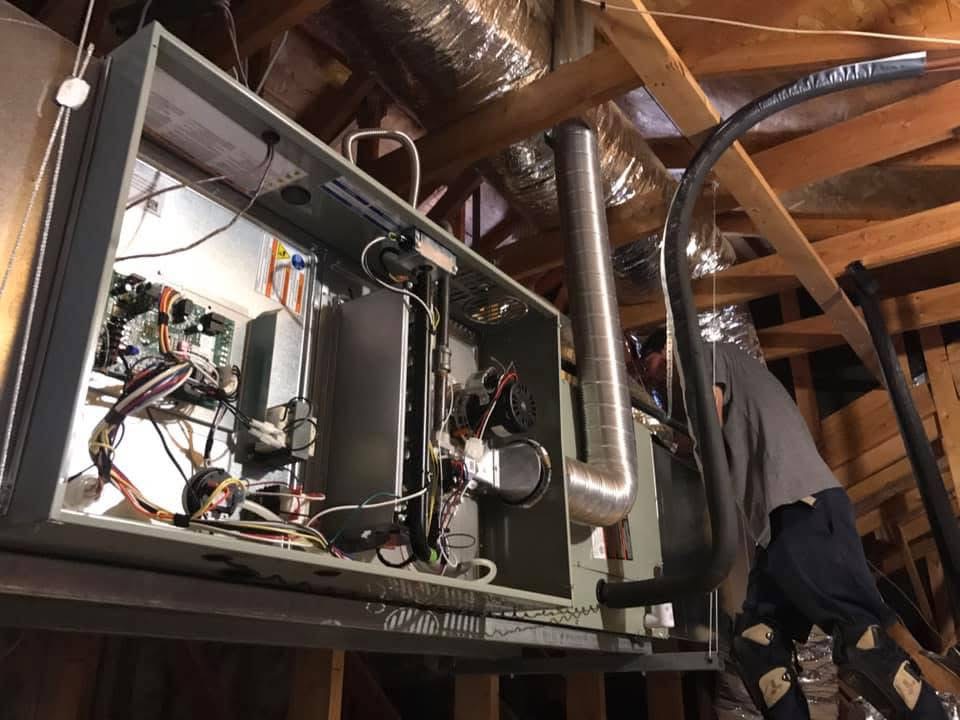
Banging or clanking noises typically indicate loose components, delayed ignition, or internal mechanical issues. These sounds may result from expanding metal, debris inside the system, or delayed ignition causing small combustion bursts.
If ignored, these issues can lead to more serious damage and unsafe operation. Professional inspection and repair are recommended to restore proper function.
What Do Squealing or Grinding Noises Mean for Heat Pump Health?
Squealing or grinding sounds usually point to worn motor bearings or belt issues within a heat pump. These noises suggest the motor is struggling or components are failing.
Prompt attention is critical, as continued operation can result in complete system failure and more expensive repairs.
How Can Performance Issues Signal Heating System Malfunctions?
Performance problems are often the first indication that a heating system is not operating efficiently. Rising energy bills or uneven heating should never be ignored.
Why Are My Energy Bills Increasing Despite Normal Usage?
Unexpected increases in heating costs often signal inefficiencies such as dirty filters, restricted airflow, or ductwork issues. When airflow is restricted, the system works harder and consumes more energy.
Routine maintenance helps identify these inefficiencies and restore proper system performance.
What Causes Uneven Heating or Cold Spots in My Home?
Uneven heating and cold spots can result from blocked or leaking ductwork, thermostat calibration issues, or inadequate insulation. These problems prevent warm air from circulating evenly throughout the home.
A professional assessment can identify the cause and ensure consistent heating.
Which Visual and Odor Warning Signs Should Prompt Immediate Action?
Visual cues and unusual odors often signal serious safety concerns. These warning signs should be addressed immediately to prevent hazardous conditions.
What Does a Yellow or Flickering Pilot Light Indicate?
A yellow or flickering pilot light suggests incomplete combustion, which can increase the risk of carbon monoxide exposure. This condition requires immediate professional inspection and repair to ensure safe operation.
How Do Strange Smells Like Burning or Gas Signal Danger?
Burning odors may indicate overheating components, electrical problems, or dust accumulation, while gas smells can signal a leak. Both situations pose serious safety risks and require immediate professional attention.
When Does System Failure or Thermostat Malfunction Require Urgent Repair?
Some issues demand immediate action to prevent full system failure or unsafe conditions.
Why Won’t My Heating System Turn On?
A heating system that will not turn on may be experiencing electrical problems, ignition failure, or thermostat malfunctions. These issues can stem from faulty wiring, failed ignition components, or control system errors.
Professional diagnosis is often required for safe and effective repair.
How Can Thermostat Issues Affect Heating Performance?
Thermostat problems such as dead batteries, incorrect calibration, or internal failure can prevent the heating system from operating properly. Regular thermostat checks help ensure consistent comfort and system reliability.
Common Heating System Warning Signs and Urgency Levels
| Warning Sign | Description | Urgency Level |
|---|---|---|
| Banging Noises | Loose components, delayed ignition, or mechanical problems | High |
| Squealing Noises | Motor bearing or belt issues | High |
| Yellow Pilot Light | Incomplete combustion and carbon monoxide risk | Critical |
| Strange Smells | Burning or gas odors indicating potential hazards | Critical |
Conclusion
Recognizing the warning signs that your heating system needs immediate repair is essential for maintaining comfort, safety, and efficiency throughout the winter months. Addressing noises, performance issues, visual warnings, and odors early can prevent costly breakdowns and emergency situations.
If you notice any of these signs, contacting an experienced HVAC professional such as Worlock Air Conditioning & Heating can help ensure your heating system remains reliable and safe all winter long.